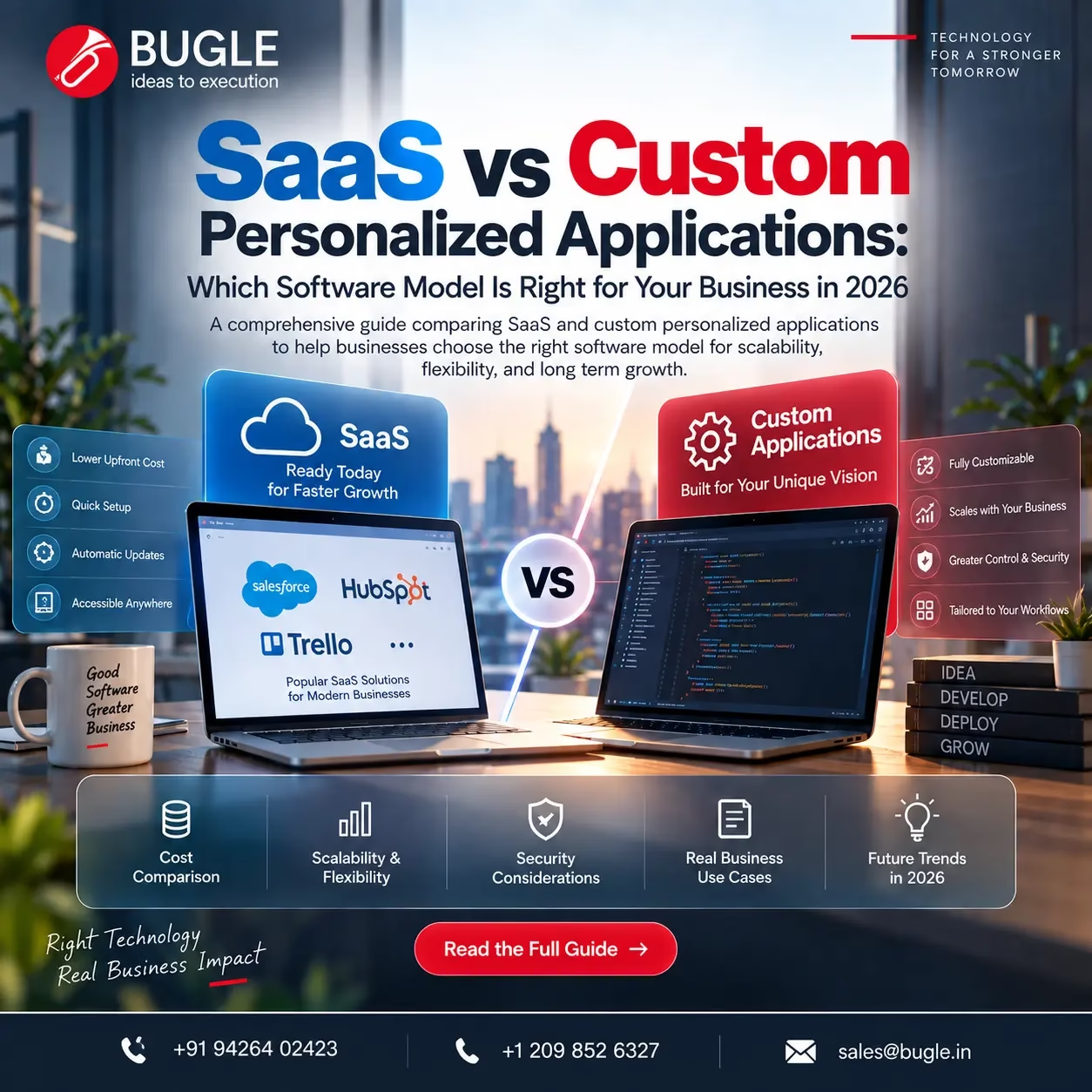

SaaS vs custom personalized applications is one of the most important decisions modern businesses face when selecting the right software model. With rapid digital transformation, organizations must choose solutions that align with their operational needs, scalability goals, and long term growth strategies.
This guide provides a detailed comparison of SaaS and custom applications, including benefits, challenges, cost factors, use cases, and real world examples to help business leaders make informed decisions in 2026.
What is a SaaS Application?
Software as a Service refers to cloud based applications delivered over the internet. Users access these tools via subscription without managing infrastructure or development.
Common SaaS examples include
- CRM platforms like Salesforce
- Marketing tools like HubSpot
- Project management tools like Trello
These solutions are ready to use and designed for a wide range of businesses.
What is a Custom Personalised Application?
A custom personalized application is software specifically designed and developed to meet unique business requirements.
Unlike SaaS, these applications are:
- Built from scratch
- Fully customizable
- Tailored to specific workflows
Examples include:
- Custom CRM systems
- Industry specific ERP solutions
- Internal automation tools
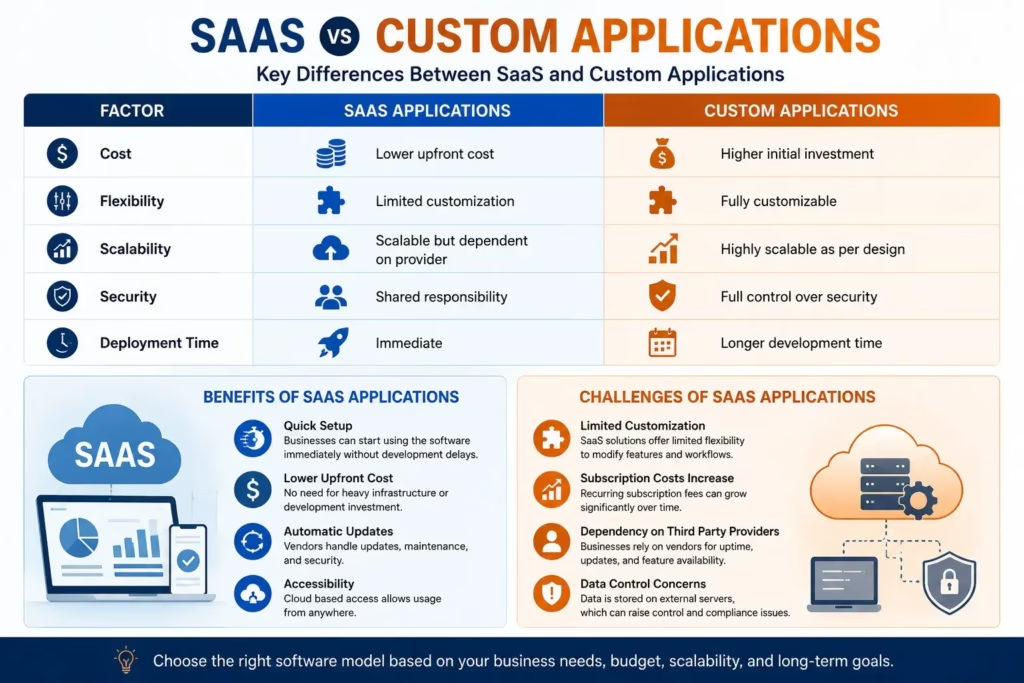
Key Differences Between SaaS and Custom Applications
| Factor | SaaS Applications | Custom Applications |
|---|---|---|
| Cost | Lower upfront cost | Higher initial investment |
| Flexibility | Limited customization | Fully customizable |
| Scalability | Scalable but dependent on provider | Highly scalable as per design |
| Security | Shared responsibility | Full control over security |
| Deployment Time | Immediate | Longer development time |
Benefits of SaaS Applications
SaaS solutions offer several advantages:
- Quick Setup: Businesses can start using the software immediately without development delays.
- Lower Upfront Cost: No need for heavy infrastructure or development investment.
- Automatic Updates: Vendors handle updates, maintenance, and security.
- Accessibility: Accessibility: Cloud based access allows usage from anywhere. Cloud based access allows usage from anywhere.Accessibility: Cloud based access allows usage from anywhere.
Challenges of SaaS Applications
Despite benefits, SaaS has limitations:
- Limited customization
- Subscription costs increase over time
- Dependency on third party providers
- Data control concerns
Benefits of Custom Personalized Applications
Custom applications provide strategic advantages:
- Full Control: Businesses have complete ownership of features and functionality.
- Tailored Solutions: Software aligns perfectly with business processes.
- Scalability: Applications can evolve with business growth.
- Competitive Advantage: Unique features differentiate businesses in the market.
Challenges of Custom Applications
- High initial development cost
- Longer time to deployment
- Requires technical expertise
- Ongoing maintenance responsibility
When to Choose SaaS Applications?
SaaS is ideal when:
- You need a quick solution
- Budget is limited
- Requirements are standard
- Scalability is needed without complexity
Example use cases:
- Startups using CRM tools
- Marketing teams using automation platforms
- Small businesses managing operations
When to Build Custom Personalized Applications?
Custom development is suitable when:
- Business processes are unique
- High level customization is required
- Data security is critical
- Long term scalability is a priority
Example use cases:
- Large enterprises with complex workflows
- Industry specific platforms
- Internal business automation systems
Cost Comparison SaaS vs Custom Applications
SaaS Cost Structure:
- Monthly or yearly subscription
- Lower upfront investment
- Long term cumulative cost
Custom Application Cost:
- High initial development cost
- Lower long term operational cost
- Higher ROI for long term use
Scalability and Flexibility Comparison
SaaS platforms offer scalability but are limited by vendor capabilities. Custom applications provide complete flexibility, allowing businesses to scale features and infrastructure based on needs.
Security Considerations
SaaS providers implement strong security measures, but data is stored externally. Custom applications offer full control over data security, making them suitable for industries with strict compliance requirements.
Real Business Use Cases
SaaS Use Case:
A startup uses a SaaS CRM to manage customer data and automate marketing campaigns quickly without technical setup.
Custom Application Use Case:
A manufacturing company builds a custom ERP system to manage supply chain operations tailored to its workflow.
Future Trends in SaaS and Custom Software
The future of software development is evolving with:
- Integration of artificial intelligence
- Low code and no code platforms
- Hybrid models combining SaaS and custom features
- Increased focus on data security and compliance
These trends indicate that businesses may adopt a combination of both models.
Choosing the Right Development Partner
Selecting the right partner is critical for successful implementation.
Bugle Technologies provides:
- SaaS integration solutions
- Custom software development
- Scalable technology strategies
Partnering with an experienced provider ensures efficient implementation and long term success.
Conclusion
SaaS vs custom personalized applications is not a one size fits all decision. The right choice depends on business goals, budget, scalability requirements, and operational complexity.
SaaS is ideal for quick deployment and cost efficiency, while custom applications offer flexibility and long term value. Businesses should evaluate their needs carefully and consider a strategic approach to software adoption in 2026.
Frequently Asked Questions
SaaS applications are ready made cloud solutions designed for multiple users, while custom applications are developed for specific business requirements. Custom software provides greater control and flexibility, while SaaS generally offers faster deployment.
SaaS usually has lower upfront costs because businesses pay through subscription or usage based pricing. Custom software requires a larger initial investment but may provide better long term value for specific business needs.
Yes, businesses can combine SaaS products with custom applications to meet different operational requirements. This hybrid approach can provide the convenience of SaaS while allowing customization where it is needed.
SaaS can be secure when the provider follows appropriate security practices and the business properly manages access and data. Businesses handling sensitive information should also evaluate the provider’s security controls, compliance, and data protection policies.
Custom software development timelines depend on the application’s features, complexity, integrations, and business requirements. A project may take several months to a year or longer for complex enterprise applications.